
Understanding Brain Rot: A Comprehensive Guide
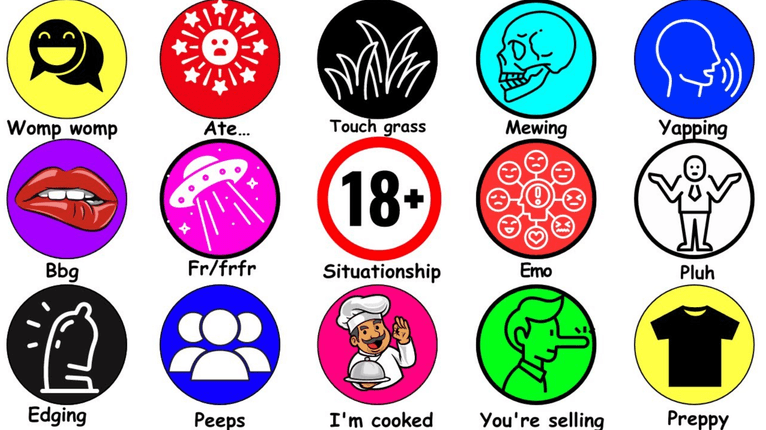
Brain rot, often referred to as "brainrot," is a term used to describe the cognitive decline associated with excessive exposure to low-quality digital content, particularly internet memes and social media. While not a medical diagnosis, brain rot is a widely recognized phenomenon that highlights the potential negative impacts of our digital habits on mental health and cognitive function.
Origins and Definition
The term "brain rot" has been in circulation since the early 2000s but gained significant popularity in 2023, evolving into a widely recognized internet meme. It encapsulates the idea that our brains can become "rotted" by the constant influx of information and distractions that characterize modern life.
Brain rot is often associated with the concept of "doomscrolling" or being "chronically online," where individuals compulsively consume negative or low-quality content, leading to cognitive fatigue and a deterioration in mental clarity.
Causes and Symptoms
The primary causes of brain rot include:
-
Excessive social media use: Platforms like Facebook, Instagram, and Twitter can lead to compulsive checking, interrupting focus and reducing productivity.
-
Exposure to low-quality content: Consuming large amounts of irrelevant, low-value information, such as internet memes, is thought to be associated with deteriorating cognitive function and a loss of intelligence.
-
Multitasking: The myth of multitasking can diminish our ability to concentrate, leading to a fragmented thought process.
-
Information overload: The sheer volume of information available on the internet can be overwhelming, contributing to cognitive fatigue.
The symptoms of brain rot include:
-
Decreased attention span: A diminished ability to focus can affect work and academic performance.
-
Reduced memory: Individuals may find it challenging to recall information or follow complex tasks.
-
Impaired decision-making: Cognitive decline can lead to poor judgment and decision-making skills.
-
Emotional difficulties: Brain rot can lead to increased anxiety, depression, and feelings of inadequacy.
Impact on Mental Health and Cognitive Function
Excessive exposure to digital content can have a significant impact on mental health and cognitive function. Studies have shown that heavy social media use can lead to changes in brain structure, particularly in areas related to emotional processing and decision-making.
Furthermore, the constant stream of notifications and information can lead to cognitive overload, which impairs our ability to focus and process information effectively. This overload can negatively impact cognitive functions and potentially lead to decreased attention spans and poorer memory.
The curated, idealized images that users often encounter on social media platforms can also lead to feelings of inadequacy and low self-esteem, further exacerbating mental health issues. The fear of missing out (FOMO) can lead individuals to compulsively check their social media feeds, disrupting their ability to engage in meaningful, real-life activities and interactions, potentially leading to social isolation.
Combating Brain Rot
To mitigate the effects of brain rot and maintain cognitive health, individuals can adopt the following strategies:
-
Set time limits: Allocating specific times for social media and digital content use can prevent excessive browsing and help maintain a healthy balance with other activities.
-
Curate your feed: Following accounts that inspire and uplift rather than induce stress or feelings of inadequacy can dramatically improve your social media experience.
-
Use digital content mindfully: Engage with meaningful and enriching content rather than passively scrolling through feeds.
-
Take regular breaks: Periodic digital detoxes can help reset your focus and reduce your reliance on digital content for stimulation.
-
Be critical of information: With the prevalence of misinformation, verifying facts before accepting them as true is essential, promoting critical thinking.
-
Engage in offline activities: Pursue hobbies that do not require screens, such as reading, drawing, or exercising, to promote cognitive health and emotional well-being.
Conclusion
Brain rot is a complex issue that highlights the need for individuals to critically evaluate their digital consumption habits. While digital content and social media can offer significant benefits, such as staying connected with friends and family, they can also lead to adverse outcomes if not used mindfully.
By understanding the potential impacts of these platforms and implementing strategies to use them responsibly, individuals can enjoy the benefits of digital content without compromising their mental health or cognitive abilities. As we navigate this digital era, fostering awareness and promoting healthy habits is critical to ensuring that our brains remain as nourished as they are networked.