Overview
Generation Alpha, comprising individuals born from the early 2010s to the mid-2020s, is expected to reach nearly two billion by 2025. This demographic cohort is emerging against a backdrop of declining global birth rates, particularly in developed nations. As of 2015, approximately 2.5 million babies were born weekly worldwide. The United Nations reported that the global population was around 7.8 billion in 2020, with a significant proportion of growth occurring in Africa and Asia, while Europe and the Americas face challenges of sub-replacement fertility rates. The implications of these trends are profound, as they influence economic, social, and health dynamics globally.
Detailed Insights
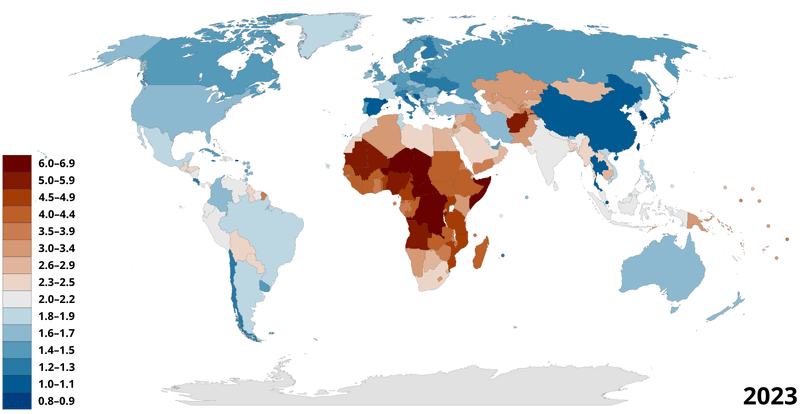
The demographic landscape for Generation Alpha is shaped by several critical factors. The global average fertility rate has decreased from 4.7 in 1950 to 2.4 in 2017, with significant variations across regions. For instance, Niger has the highest fertility rate at 7.1, while countries like Cyprus report rates as low as 1.0. Developed nations, including much of Europe and the United States, tend to have lower birth rates due to delayed parenthood and economic factors, leading to a disconnect between desired family size and actual births.
Urbanization is another significant trend; by 2019, 55% of the global population lived in urban areas, a figure projected to rise to two-thirds by 2050. This shift often correlates with lower fertility rates, as urban living changes perceptions of child-rearing from an asset to a burden. Additionally, the aging population presents challenges, with the number of individuals aged 65 and older surpassing those aged zero to four for the first time in 2018. Projections indicate that by 2050, the ratio of these age groups will exceed two to one, exacerbating issues related to healthcare and economic sustainability.
The religious composition of Generation Alpha is also noteworthy. Between 2010 and 2015, 33% of the world's babies were born to Christian mothers, while 31% were born to Muslim mothers, reflecting the rapid growth of the Muslim population. This demographic shift may influence cultural and social dynamics in the coming decades.
Conclusion
In summary, Generation Alpha is poised to grow significantly amidst declining birth rates and shifting demographic patterns. The interplay of urbanization, educational attainment, and economic factors will continue to shape family structures and fertility decisions. As the global population trends towards an older demographic, addressing the challenges posed by an aging population and declining fertility rates will be crucial for policymakers. Understanding these trends is essential for anticipating the future needs of this generation and ensuring sustainable development across the globe.